

Posted by Chef Kitty Team
on May 27, 2026

Cat Wellness · 8 min read
What Is Catnip? The Science Behind Your Cat's Favorite Buzz 🐾
Catnip is one of the most searched pet topics on Google — and for good reason. Watch any cat encounter it and you'll witness something almost magical. But what's actually happening inside that adorable fuzzy brain? Let's break down the science, the myths, and — spoiler — a delicious treat alternative your cat will love just as much.
What exactly is catnip?
Catnip, scientifically called Nepeta cataria, is a perennial herb belonging to the mint family. Native to Europe and Asia, it now grows freely across North America and is recognizable by its heart-shaped, light-green leaves and small lavender or white flowers. It thrives in gardens, roadsides, and — apparently — your cat's deepest dreams.
The plant produces a volatile oil compound called nepetalactone, found primarily in the leaves and stems. That chemical is the star of the whole catnip show.
~60%
of cats respond to catnip — it's a hereditary trait
5–15 min
typical duration of catnip's euphoric effects
30 min
cooldown before cats can be affected again
0
risk of overdose — completely non-toxic to cats
· · · 🐾 · · ·
The science: why does catnip make cats act so weird?
When a cat smells catnip, nepetalactone molecules enter the nasal cavity and bind to olfactory receptors — the sensory neurons lining the nose. Those neurons fire signals to the brain, triggering areas that control emotion and behavior.
Scientists believe nepetalactone mimics feline pheromones, essentially tricking the cat's brain into a euphoric state. It stimulates a surge of serotonin and dopamine — the same "feel good" neurotransmitters that underpin happiness and reward in humans too.
What behaviors does it trigger?
| Behavior | What's happening |
|---|---|
| Rolling & rubbing | Spreading the scent — reinforcing the euphoric signal |
| Vocalizing (meowing, chirping) | Heightened emotional arousal and stimulation |
| Zoning out / glazed look | Peak euphoric state — serotonin flood |
| Hyperactivity & play | Dopamine-driven energy burst |
| Post-catnip nap | Brain shifts from stimulation to relaxation; dopamine crash |
Does eating vs. smelling catnip make a difference?
Yes! Smelling catnip produces the excitable, rolly, hyper reaction. Eating catnip tends to have a calming, almost sedative effect. Some vets even recommend it to ease separation anxiety in cats who'll be home alone for a stretch.
· · · 🐾 · · ·
Is catnip safe? What every cat parent should know
✓ The good news
- Catnip is 100% non-toxic and safe for cats
- Cats self-regulate — when they've had enough, they simply walk away
- A great enrichment tool: encourages play, exercise, and mental stimulation
- Can reduce stress and support bonding during play sessions
⚠ Use in moderation
- Too much can cause temporary upset stomach, vomiting, or diarrhea
- Limit to 1 tablespoon at a time; not every single day
- Kittens under 6 months typically don't react (the response develops with age)
- Cats with anxiety or aggression issues may become overstimulated — watch their cues
- About 40% of cats are genetically unresponsive — try silvervine or valerian instead
· · · 🐾 · · ·
Catnip vs. cat treats: which brings more joy?
Catnip is a fantastic mood-booster, but it's not a treat in the traditional sense — it's purely sensory. Your cat gets the buzz, but not the nutrition. That's where premium cat treats come in as the perfect companion (or even substitute) for cats who don't respond to catnip.
Side-by-side comparison
🌿 Catnip
- Sensory experience only
- Works for ~60% of cats
- No nutritional value
- Effects wear off fast
- Best for enrichment & play
🥚 Chef Kitty Treats
- Tasty reward + nutrition
- Works for 100% of cats
- Rich in protein & amino acids
- Satisfying every time
- Best for bonding & training
The real magic? Combining both. Use catnip to spark a play session, then reward your cat with a high-quality treat afterward — building the kind of positive association that deepens your bond over time.
· · · 🐾 · · ·
⭐ Editor's Pick · Chef Kitty
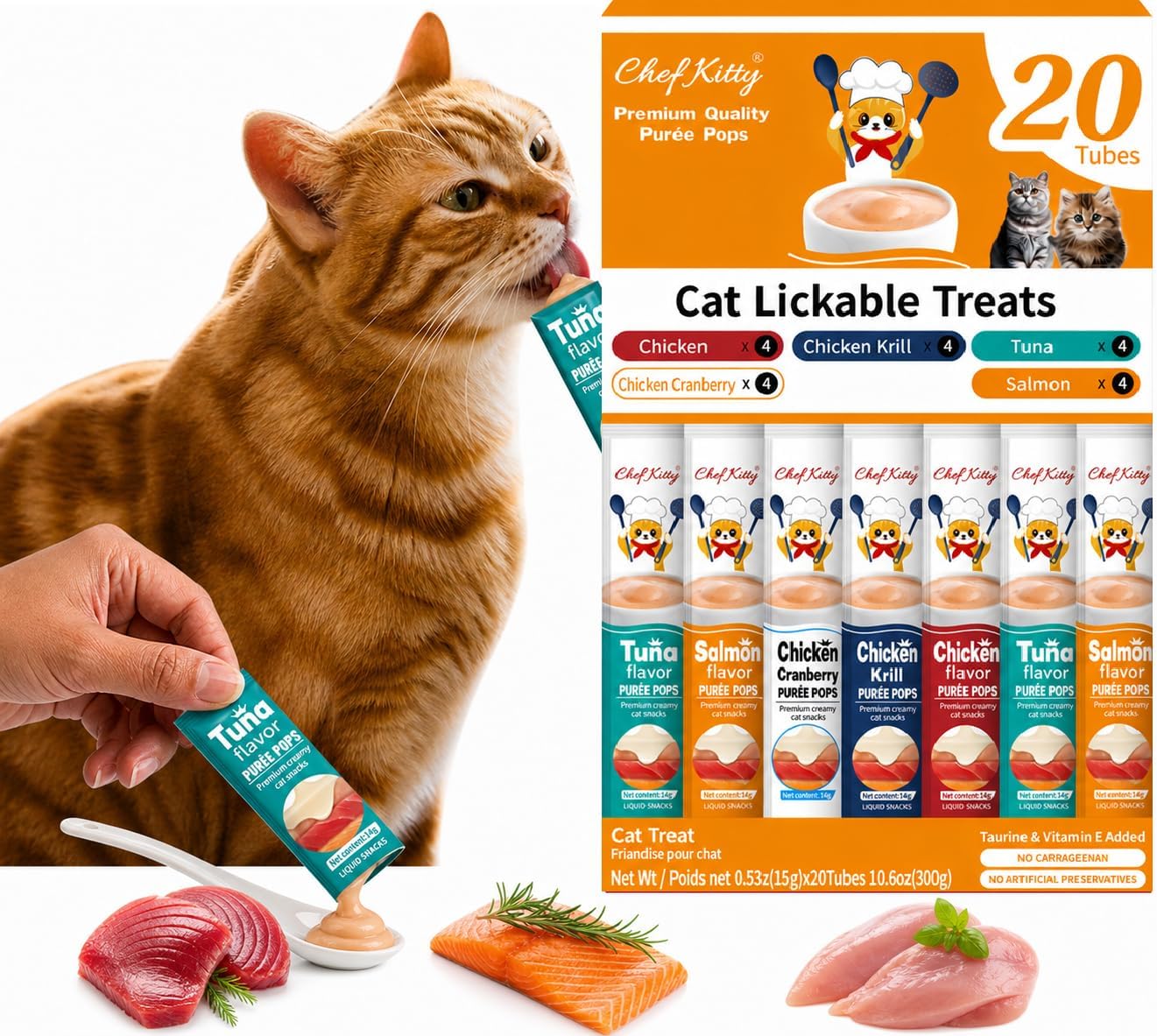
Chef Kitty · Premium Cat Treats
Chef Kitty Puree Pops Lickable Cat Treats
★★★★★
The purr-fect companion to catnip play. These 100% natural, pureee pops treats deliver a rich, creamy lick your cat will go wild for — no artificial colors, no fillers, just pure happiness in every lick.
- Rich and creamy lickable treats
- High in protein, vitamins A, D & B12
- Lickable format — gentle on sensitive cats
- Grain-free, gluten-free, no artificial additives
- Made for cats who deserve only the best
$12.95
🛒 Buy on Amazon
Shop on Chef Kitty
Frequently asked questions about catnip
Can kittens have catnip?
Most kittens under 6 months old show no response to catnip — the sensitivity develops as they mature. It's safe to introduce, but don't be surprised if your little one ignores it entirely.
Can I give my cat catnip every day?
It's best to limit catnip to a few times per week. Daily exposure can cause cats to become desensitized to its effects, dulling the reaction over time. Keeping it as an occasional treat keeps it special.
My cat doesn't react to catnip — is something wrong?
Not at all! About 40% of cats simply don't carry the gene that makes them sensitive to nepetalactone. Try silvervine or valerian root as alternatives. And remember: all cats react to a delicious treat — that's where Chef Kitty's Puree Pops step in. 🐾
How should I store catnip?
Catnip loses potency when exposed to air and light. Store it in an airtight container away from sunlight to keep it fresh and maximally effective for your cat.
Can catnip be used for training?
Catnip is great for enrichment and play, but for training — where timing and precision matter — a high-value food treat is far more effective. Lickable treats like Chef Kitty's create an immediate, repeatable reward your cat will work for every time.
